
Elimination Confirmed Before Closing The Job
Bed Bug Treatment in Greensboro for homes and hospitality properties with confirmed infestations requiring follow-up verification
Greensboro's hospitality corridor and college housing density create consistent bed bug introduction pathways, with rental properties in Burlington and Liberty adding regional risk as tenants move between units. Bed bug treatment from Sentinel Pest Solutions includes post-service follow-up inspection to confirm complete elimination before the job is considered finished. This matters because bed bugs reproduce quickly and a single missed harborage area can restart the infestation within weeks. The follow-up inspection verifies that no live bugs, nymphs, or viable eggs remain in treated areas before you're told the problem is resolved.
Treatment begins with thorough inspection to locate all harborage areas—not just the obvious locations like mattress seams and box springs, but also behind baseboards, inside electrical outlets, within furniture joints, and along carpet edges where bugs hide during daylight. Treatment method depends on infestation severity and property type, using chemical applications to reach bugs in all life stages. Chemical treatment targets specific harborage zones with residual products that continue working after application.
Schedule an initial inspection to determine infestation extent and identify the treatment method appropriate for your specific situation.
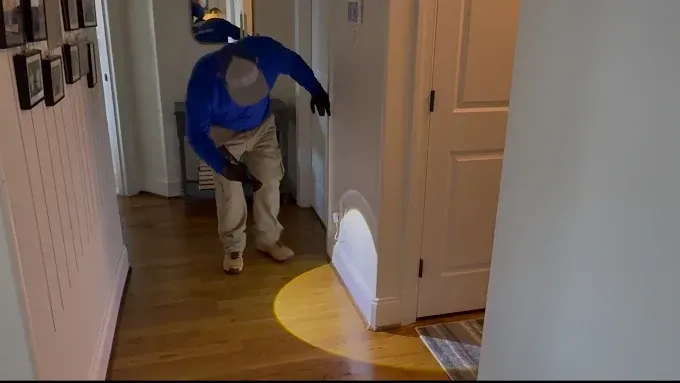
A follow-up inspection is scheduled two to three weeks after the initial treatment to confirm the infestation has been eliminated. This timing allows any surviving eggs to hatch so technicians can identify whether additional treatment is needed.
During the follow-up inspection, technicians check:
- Previously identified harborage areas.
- Surrounding locations where bed bugs may have moved.
- Behind headboards and nightstands.
- Along carpet edges, baseboards, and electrical outlets.
- Furniture positioned against walls.
- Mattress covers are available to purchase with treatment
If bed bug activity is still present, retreatment is performed at no additional cost and another follow-up inspection is scheduled until elimination is verified.
Before treatment, homeowners should *Technicians will provide a checklist before treatment*:
- Launder bedding and clothing in hot water.
- Vacuum mattresses, floors, and upholstered furniture.
- Remove clutter that creates additional hiding places.
Proper preparation allows treatment to reach more harborage areas and improves overall effectiveness. Homes with excessive clutter or incomplete preparation may require additional treatments because bed bugs can remain hidden in inaccessible areas.
Answers to Frequent Service Questions
Homeowners and property managers dealing with bed bug infestations typically want to know about treatment methods, preparation steps, and what happens if bugs reappear after treatment.
What treatment method works best for bed bug elimination?
Heat treatment kills all life stages including eggs in a single application by raising room temperature above the thermal death point for bed bugs, typically between 120 and 140 degrees Fahrenheit sustained for several hours. Chemical treatment works well for localized infestations and provides residual protection, but may require multiple applications to address eggs that hatch after initial treatment.
How much preparation is required before bed bug treatment in Greensboro?
All bedding, clothing, and fabric items need to be laundered in hot water and dried on high heat, then sealed in plastic bags until after treatment. Furniture should be pulled away from walls, floors vacuumed thoroughly, and clutter removed to eliminate hiding spots that protect bugs from treatment contact.
What happens during the follow-up inspection after treatment?
The inspector examines all previously identified harborage areas and surrounding zones for signs of continued activity—live bugs, nymphs, shed skins, fecal spotting, or eggs. If any evidence appears, retreatment happens and another follow-up gets scheduled until the inspection confirms complete elimination.
How long does it take to confirm bed bugs are completely gone?
The follow-up inspection typically happens two to three weeks after initial treatment, which allows time for any surviving eggs to hatch and become detectable. If that inspection shows no activity, elimination is confirmed. If activity remains, retreatment happens and the timeline extends until verification shows no surviving population.
Are bed bug treatments safe for occupied homes and hospitality properties?
Chemical treatments use products labeled for indoor residential use with minimal risk once dried, typically within hours. Heat treatment requires temporarily vacating the space during application but involves no chemical exposure. Both methods allow reoccupation the same day once treatment is complete and the space has returned to normal temperature.
Sentinel Pest Solutions operates with full licensing and insurance throughout the Triad, providing bed bug elimination services for residential and hospitality properties in Greensboro, Burlington, High Point, and surrounding areas with more than twenty years of pest management experience. Request an inspection to assess your infestation and receive a detailed treatment plan with follow-up verification included.