
Physical Barriers That Remove Roosting Access
Bird Exclusion in Greensboro for commercial buildings with recurring starling and pigeon problems
Commercial rooflines along the Friendly Center and Guilford College Road corridor in Greensboro attract starlings and pigeons that roost on ledges, HVAC units, and under overhangs, creating structural damage from acidic droppings and sanitation violations from accumulating waste. Sentinel Pest Solutions installs physical exclusion systems—netting, spike strips, and wire grids—that eliminate access to these roosting sites rather than relying on repellents or deterrents that birds eventually ignore. Once the access point is physically closed, birds move to other locations instead of habituating to the site, which is what happens with sound devices, visual scare tactics, or chemical repellents that lose effectiveness over time.
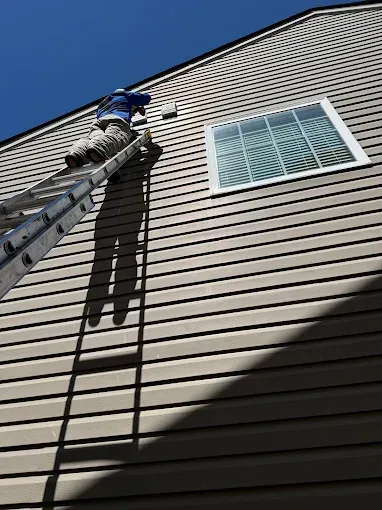
The exclusion process starts with identifying every ledge, gap, and structural feature birds currently use for roosting or nesting, then selecting the appropriate barrier method based on the architecture and bird species involved. Netting works for large open areas like loading docks and canopies, spike strips prevent perching on narrow ledges, and wire systems block access to beams and I-beam flanges where pigeons prefer to roost. Installation must account for drainage, HVAC access, and building maintenance requirements so that exclusion does not create new problems while solving the bird issue.
Schedule a building evaluation to identify active roosting sites and appropriate exclusion methods.
Bird exclusion provides a long-term solution by preventing birds from accessing roosting and nesting areas. Unlike sound devices, visual deterrents, or chemical repellents that lose effectiveness over time, physical exclusion blocks access entirely.
Older Triad-area buildings often have features that attract birds, including:
- Recessed entryways.
- Decorative cornices.
- Open I-beams and structural ledges.
After exclusion is installed, you can expect:
- Little to no bird droppings on sidewalks and entryways.
- Cleaner HVAC equipment with reduced risk of clogged intake vents.
- Less noise and odor from bird roosts.
- Reduced maintenance costs from recurring cleanups and temporary deterrents.
The system remains effective as long as the exclusion materials stay intact and new openings are not created by storm damage or building modifications.
Before exclusion is installed:
- Any birds nesting inside the structure must be removed.
- Active nests may need to be addressed before entry points are sealed.
Fall and winter are often the best times for installation because they typically avoid nesting season. Most warranties cover material or installation defects but do not include damage caused by severe weather or later building modifications.
Answers to Frequent Service Questions
Bird exclusion work on commercial properties in the Triad requires understanding building access needs, maintenance schedules, and which exclusion methods work for specific architectural features.
What is the difference between exclusion and deterrents?
Exclusion physically closes off access to roosting sites using netting, spikes, or wire, while deterrents attempt to scare or repel birds using sound, visual devices, or chemicals that birds eventually habituate to and ignore.
How long does exclusion last once it is installed?
Properly installed exclusion systems remain effective for years as long as the materials are not damaged by weather or building modifications; stainless steel spikes and UV-resistant netting typically outlast the birds' lifespan without needing replacement.
Does exclusion work on all bird species?
Starlings and pigeons are the most common targets for commercial exclusion in Greensboro, and both respond well to physical barriers; smaller species like sparrows require finer mesh, while larger birds like vultures may need reinforced systems.
Can exclusion be installed without affecting building maintenance?
Exclusion design accounts for HVAC access, window cleaning, and roof maintenance by using removable panels or leaving service pathways open, ensuring that routine building operations are not obstructed.
What happens to the birds after exclusion is installed?
Birds relocate to other structures once their preferred roosting sites are no longer accessible; exclusion does not harm the birds, it simply forces them to find alternative locations outside the protected building.
Sentinel Pest Solutions is licensed and insured to perform bird exclusion on commercial properties throughout the Triad, with installations designed to meet sanitation codes and building access requirements. Request a free estimate based on your building's roosting problem and architectural layout.